
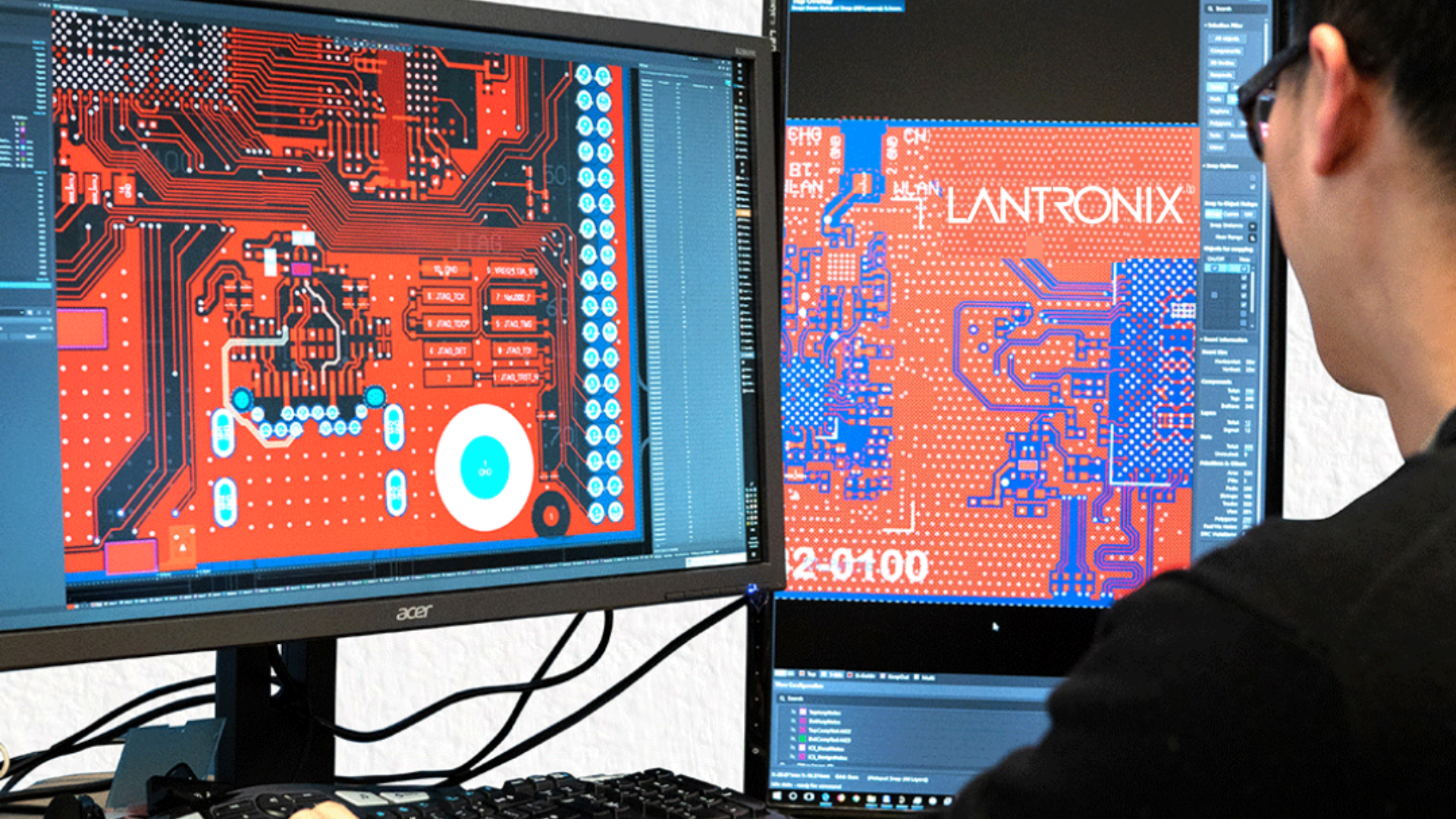
The electronics course is designed to develop fundamental and applied knowledge in the design, analysis, assembly, configuration, and operation of electronic devices and systems. The course covers the basics of analog and digital electronics, electronic components and their characteristics, principles of circuit design, and methods of measurement and diagnostics.
The course includes practical aspects of working with electronic circuits, measurement equipment, and technical documentation. Special attention is given to reliability, safety, standards, and quality of electronic systems. Upon completion of the course, learners are able to apply their knowledge to solve engineering and practical tasks in the field of electronics.
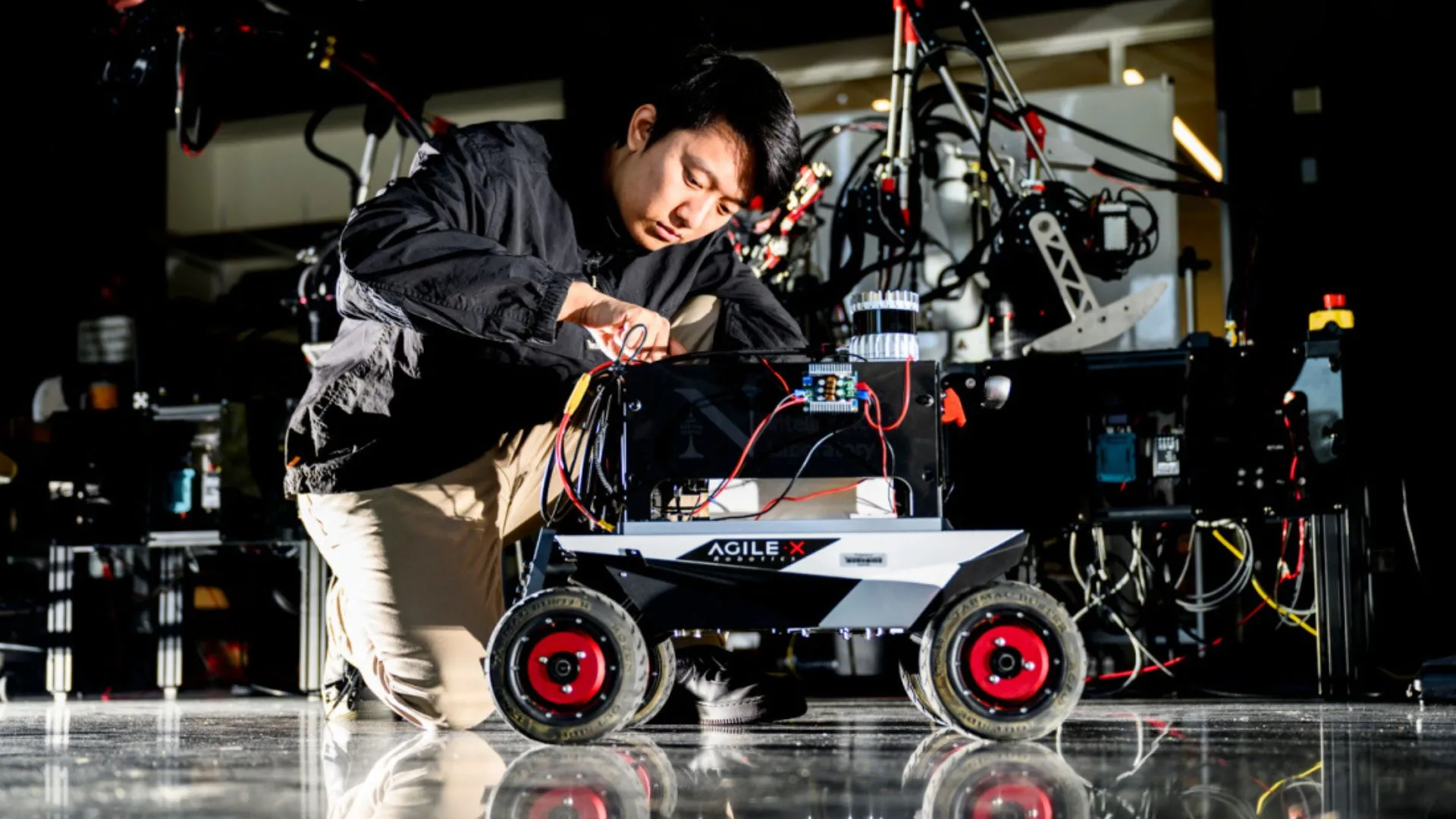
The robotics course is designed to develop theoretical knowledge and practical skills in the design, programming, integration, and operation of robotic systems. The course covers the fundamentals of robotics, robot architecture, sensor and actuator systems, control, navigation, and interaction with the environment.
The course integrates both hardware and software aspects of robotic systems, including embedded systems, control algorithms, autonomy, and safety elements. Special emphasis is placed on hands-on activities, testing, diagnostics, and analysis of robot behavior in real-world environments. Upon completion, learners are able to design and apply robotic solutions to engineering and practical challenges.
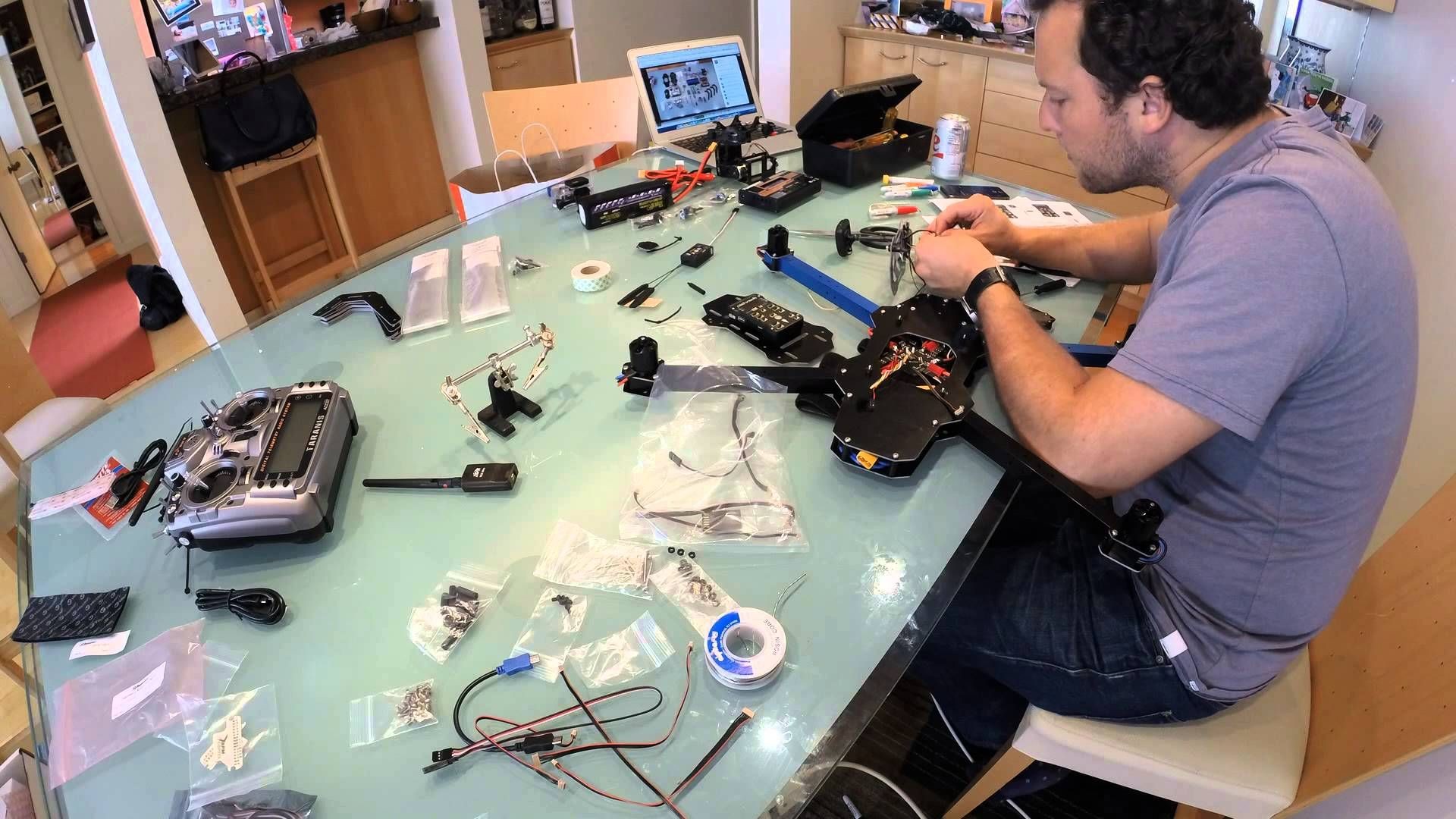
The Unmanned Aerial Vehicles (UAV) course is designed to develop fundamental and applied knowledge in the design, assembly, configuration, and operation of modern unmanned systems. The course covers aerodynamics, UAV structure, flight control systems, sensors, navigation, and communication technologies.
The course involves hands-on and project-based activities focused on UAV platform development, flight testing, data analysis, and technical documentation. Upon completion, students are able to design, configure, maintain, and test UAV systems and apply these skills in engineering and applied environments.
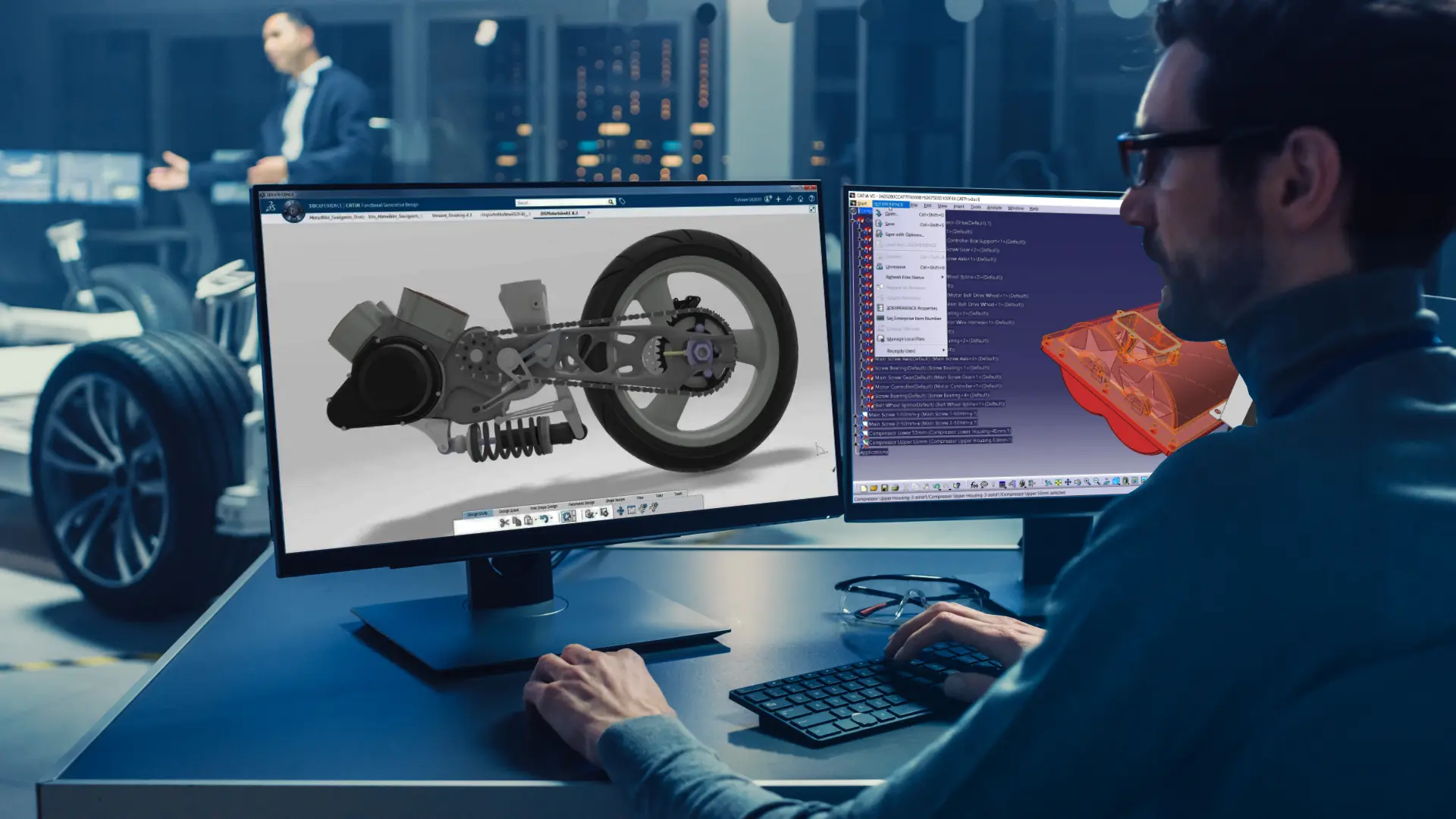
The Prototyping course is aimed at developing practical skills in designing and creating electronic and mechatronic device prototypes. The course covers modern engineering design approaches, rapid prototyping methods, additive manufacturing, 3D modeling, enclosure and PCB design, and integration of hardware and software solutions.
The course includes hands-on projects focused on real engineering challenges, development of demonstration and research prototypes, and preparation of technical documentation. Upon completion, students are able to independently design, manufacture, test, and analyze prototypes and prepare them for further development or production.